
I’m In An Open Relationship.. With My Instrument

My Name Is Jimmy, And I’m A PolyAmorophonic Instrumental Non-Monogamist
“Say what?”, you may be wondering …
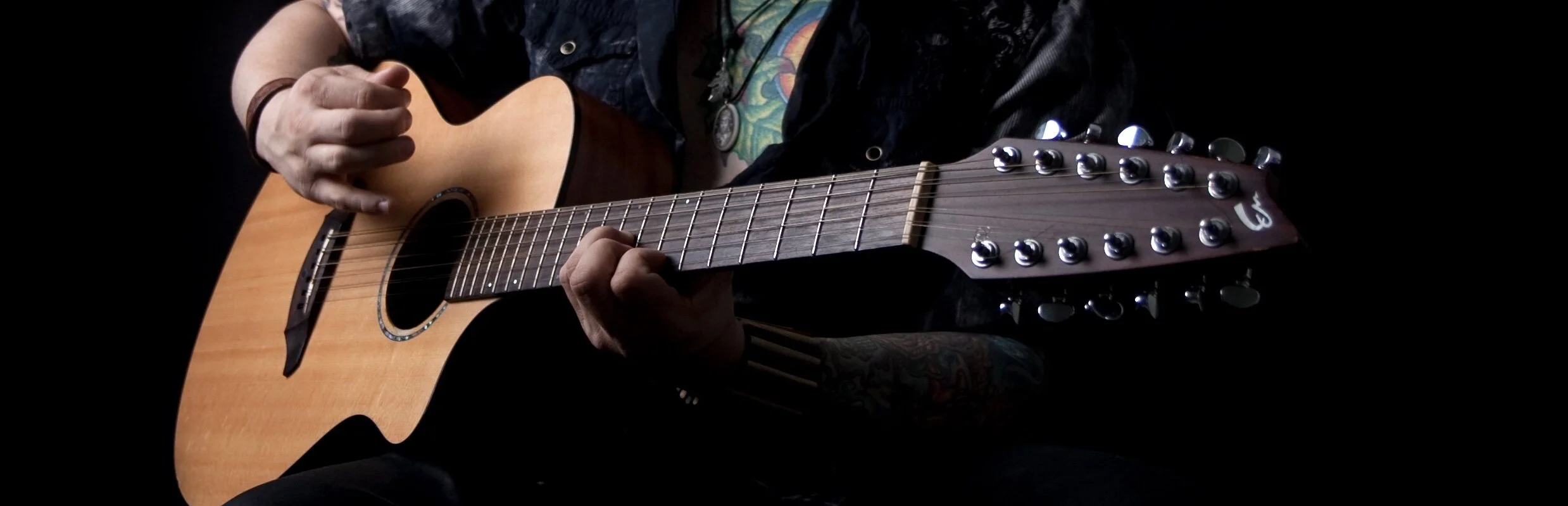
I enjoy describing myself this way in jest at times when the opportunity presents itself, as “Polyamorophonic” is my twist on the word Polyamory, which is a relationship practice of having “many loves”, or in other (simplified) words, an open relationship. This is how I feel about instruments. Why enjoy just 1 when you can find love with 2 or 3.. Or 4… Just like with an open relationship though, make sure you spend enough time, energy, and attention to each of your beloveds. I mainly split my time with Guitar and Piano, and though Guitar is my primary, Piano is a very close secondary. I find immense fulfillment in my interaction with both.
Why Learn 1 Instrument When You Can Learn 3?!
When learning an instrument, focus is required. So is dedication, practice / play, interest, and energy. The guitar won’t learn how to strum itself, after all. In my teaching method I encourage students, whether they be new or experienced, to branch out as soon as possible. I don’t believe that one must solely dominate one instrument at a time, but instead I see value in learning how to even minimally function of as many instruments that they can get their hands on. Learning guitar, but got a piano at home? Use them both! Playing piano?.. Start using your voice along with it. Do it all, even drum on the table. This practice can be beneficial for students new to the worlds of music, but it can also be an amazing skill for adults that are already playing in bands. How cool to be able to wow the audience by switching instruments mid-set. Personally, I have always loved jumping from one thing to another on stage. What a thrill to play drums on a song, or piano.. It keeps the experience exciting, and fresh, at least in my opinion.
Carry-Over Information
If you are learning western based music, then you have the advantage of being able to use some information across the board. The musical alphabet will translate to virtually all instruments, as will scale formulas, arpeggio knowledge, and even certain performance techniques. It’s not uncommon at all to see a guitarist pick up the bass in a pinch when the bassist gets mad and huffs out the door. Or if the drummer breaks his wrist skateboarding and will out of commission for a few months, then sacrifice the second guitar, and if you can, jump on the kit. Rhythmic knowledge will translate also, after all an 1/8th note is always an 1/8th note, as is a whole always a whole, a half note always half, and etc. I don’t have a wealth of experience with world scales or rhythms, but I would imagine that the same is the case where a specific regional scale can be performed on a native instrument as well as any other one that has a matched or similar alphabet.
Expanded Perspectives
Another benefit of being a multi-instrumentalist is that you can learn to think, operate, and write from a new perspective. Each instrument has its own special approach, and role, and to understand such variations is a major strength to one’s abilities. Even though a guitarist can switch to bass, it doesn’t mean that this guitarist will play like a bassist. There are subtle differences. Bass for example, serves a very different function, as it acts as a bridge between the melody and rhythm, which means that there is a fine balance of how, what, and when to play. I’ve seen overzealous guitarists try to lay down the bass, and utterly fail. Not because they are bad at bass per say, but it’s that they may not understand their role in the larger picture. This kind of stuff comes from learning, experience, and a lot of listening. Understanding another instruments role can be extremely enlightening as well, because it can additionally affect the way you write. You can learn how to write for all parts and really have them feel and sound authentic, which can enable a person to even record full songs solo in the studio. The possibilities are vast.
Don’t Believe Me Yet?... Ask The Masters!!
So many ultra famous writers and musicians are multiinstrumentalists. Every member of the Beatles were able to instrument swap… Paul McCartney, who was primarily the band's bassist, also played guitar, piano, drums, and vocals. John Lennon played guitar, piano, and harmonica. Dave Grohl of Nirvana, and The Foo Fighters, sings, plays guitar, drums, and bass, and he actually recorded most, if not all of the Foo Fighters first album by himself. MegaStar, Prince, played just about every instrument you can imagine.. In fact, he played them all INSANELY well. Neil Young plays piano, guitar, and harmonica. Sting plays bass, guitar, mandolin, lute, and piano. And the list goes on… Even in classical music, a conductor will often be able to at least basically handle most instruments, which helps them have an intimate relationship with each section of the orchestra.
What Are You Waiting For?... Switch it Up!
So there you have it; several benefits to being a multi-instrumentalist. Above all else, at least for me, it is fun and challenging to expand my palate. I see it like being an artist who is capable of working with various mediums such as charcoal, paint, colored pencils, clay, and / or mosaic tiles. The more you know, the more you have to draw upon, and so the more expansive your art can become. Music is no different. It’s all about working with textures and colors in the end. So give it a try sometime… start small if you need to ease into the idea of dividing up your play time. Harmonica, egg shakers, Kalimba, and Jaw Harp are some examples of fairly easy to play and carry around instruments. So if your main squeeze is something large like a Drum Kit, Piano, Tuba, or Marimba, you may at times find yourself longing for that little noise maker that you can walk on the beach with, or sit by the campfire jamming on, and such instruments like the ones I listed are PERFECT to meet those kinds of needs.
All you have to determine is this:
What would MOST fuel your creativity?
Do you feel like you are limited by your current instrumental skillset?
Are there sounds that you can imagine and maybe feel, but can’t create (yet)?
What other instruments have always called out to you?
The above questions are just a few things to consider after reading this blog, but as you move forward in your journey remember to embrace your passions and chase down those creative curiosities. You never know what will come as a result unless you experiment and try, try, try...
Till next time,
Be well.
JCMW on Instagram
Suggested Blogs for You


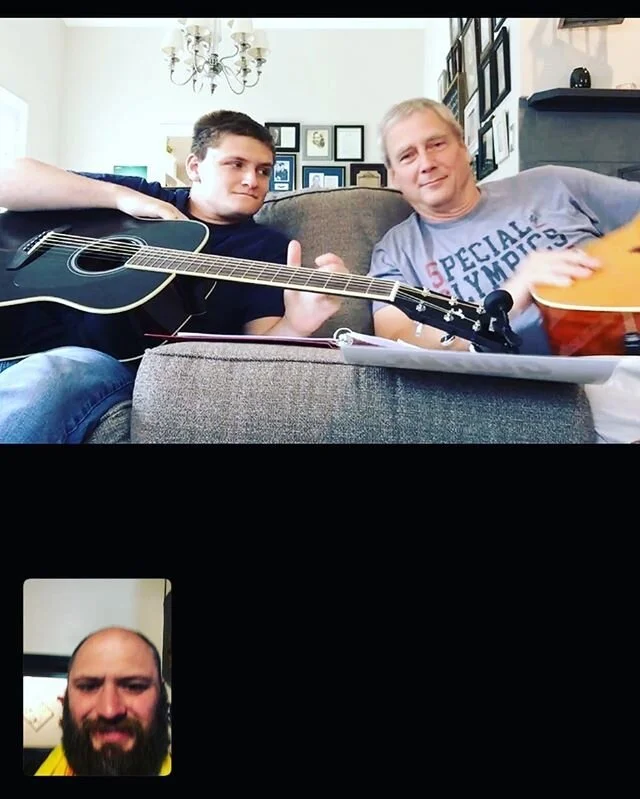
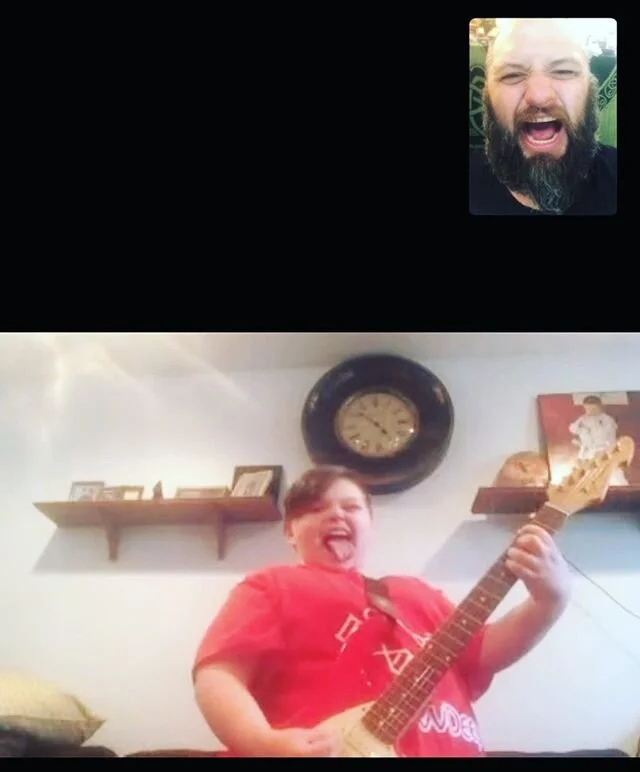
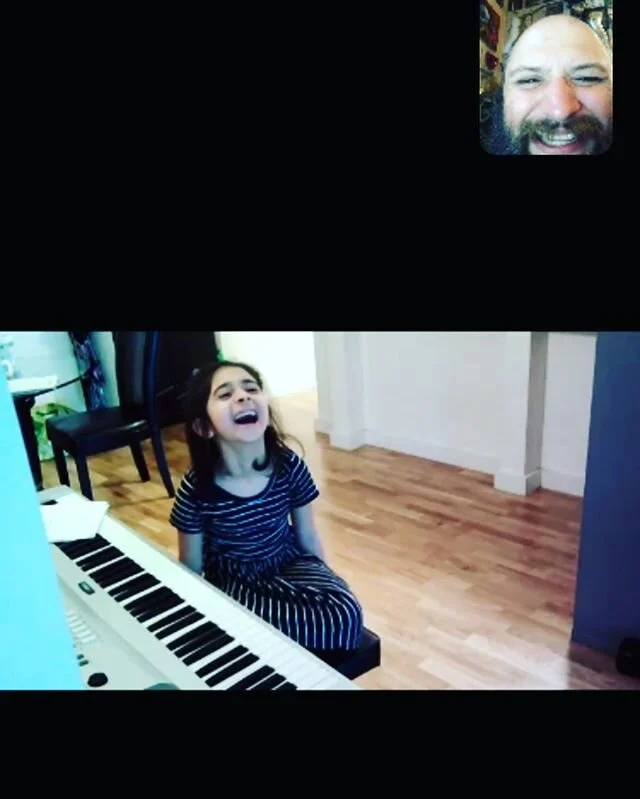
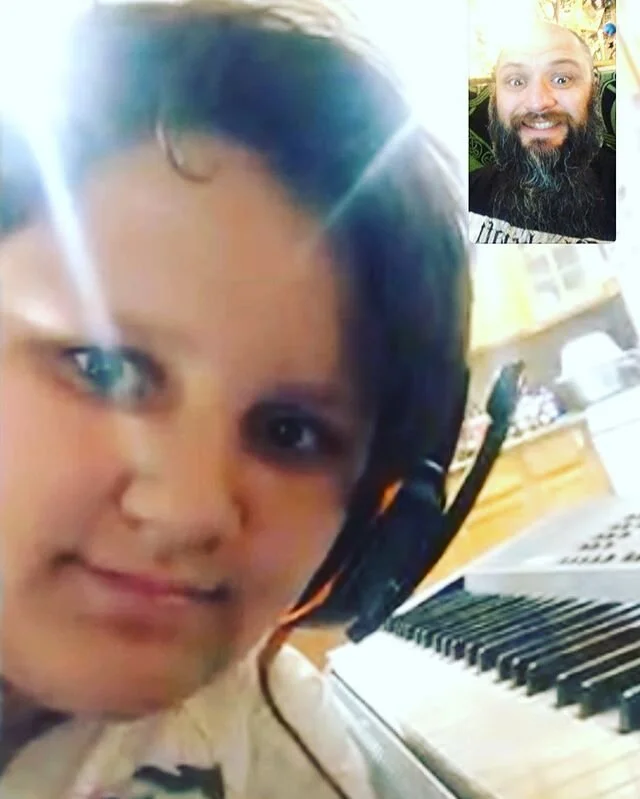
Chris Victors was a student of mine fairly early in my teaching career. I knew him through a few different people, and so we ended up connecting and starting up lessons.
To this day I still think he was one of the upbeat, enthusiastic, and serious students I’ve had. He actually did is work, and he did more than he was assigned. He was playing all the time, and learning at an incredibly fast rate. And when I think back on him both as a student and as a friend, I can say this,.. He is one of the nicest people I have ever known.